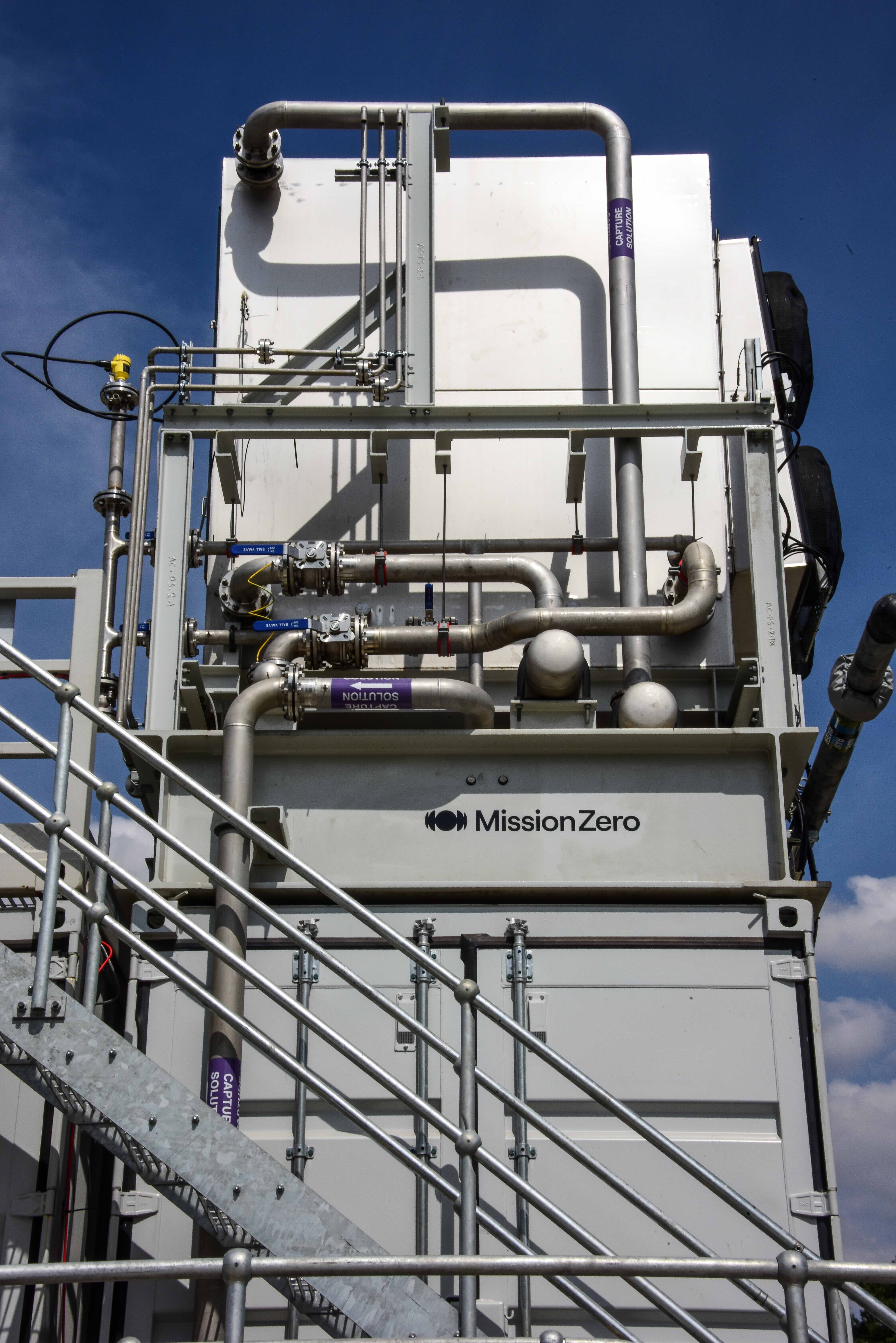
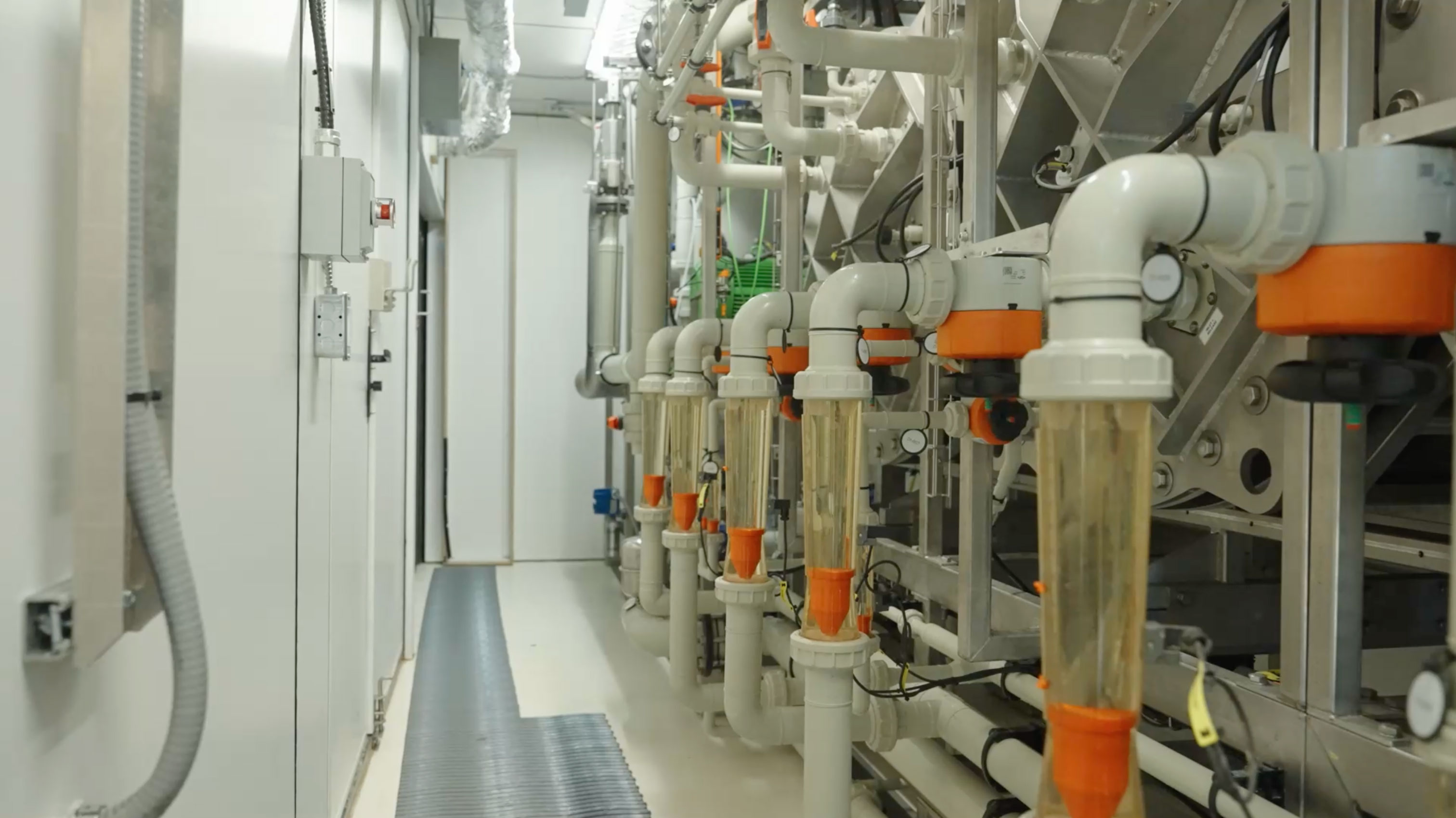
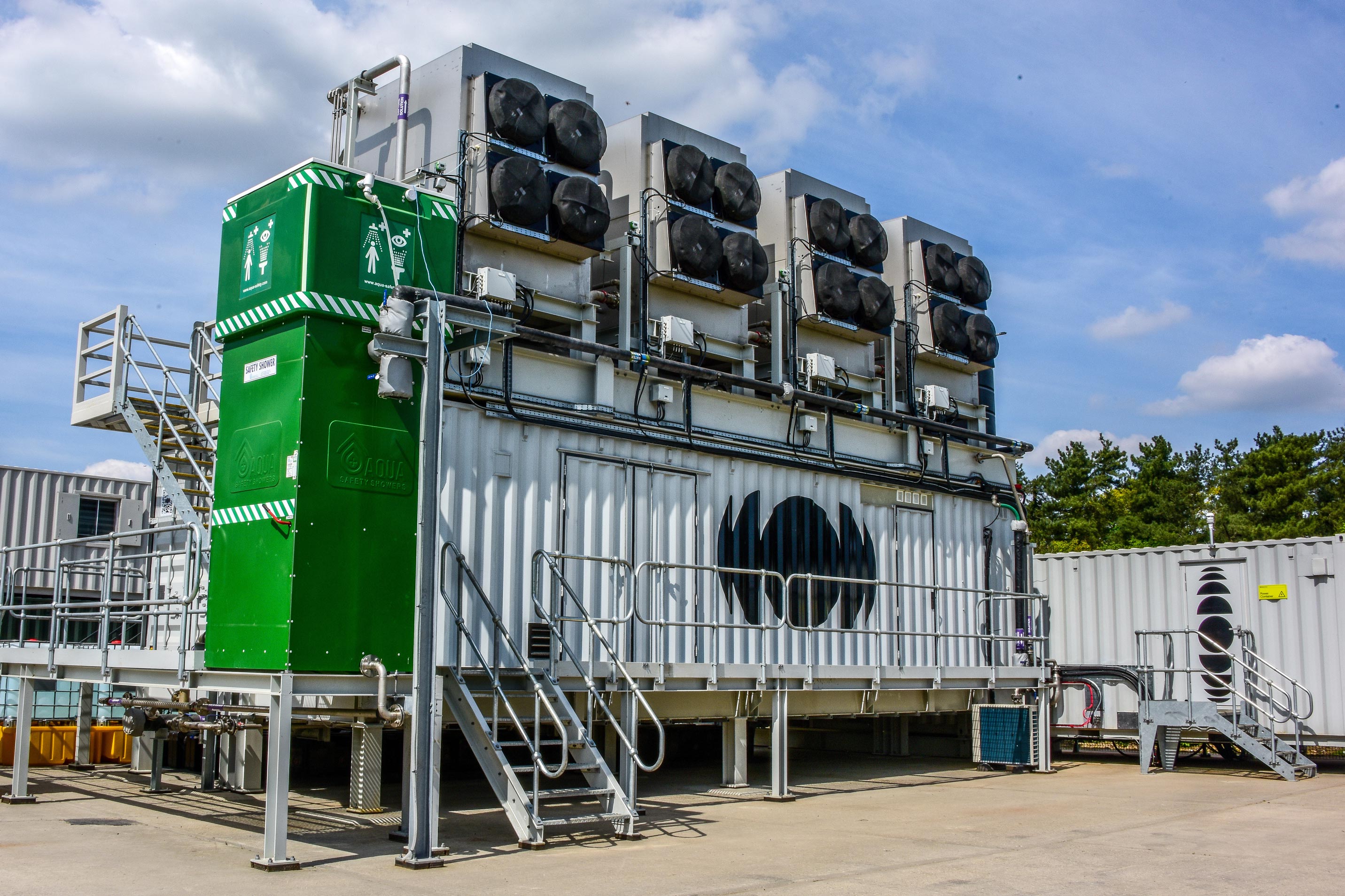
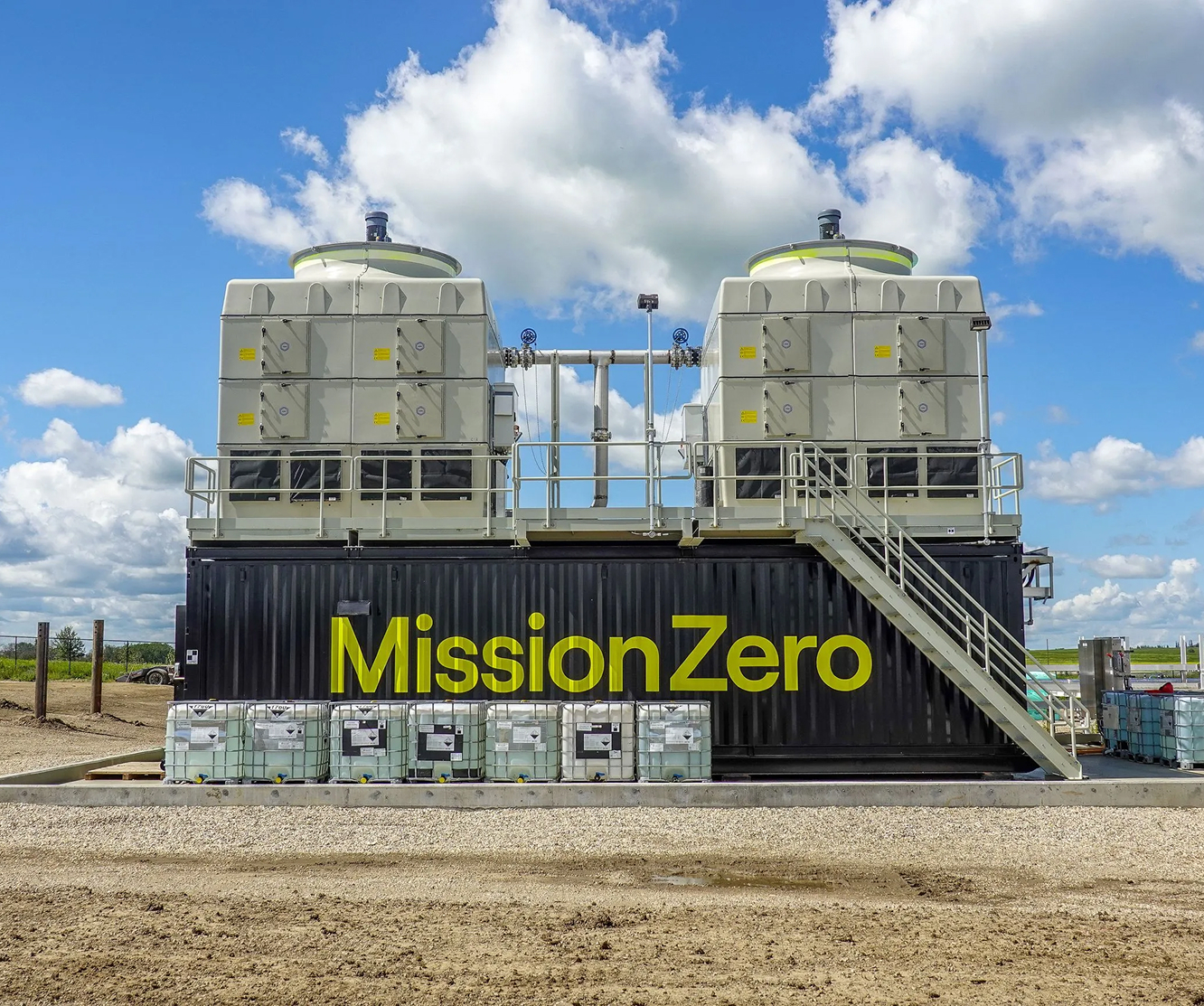
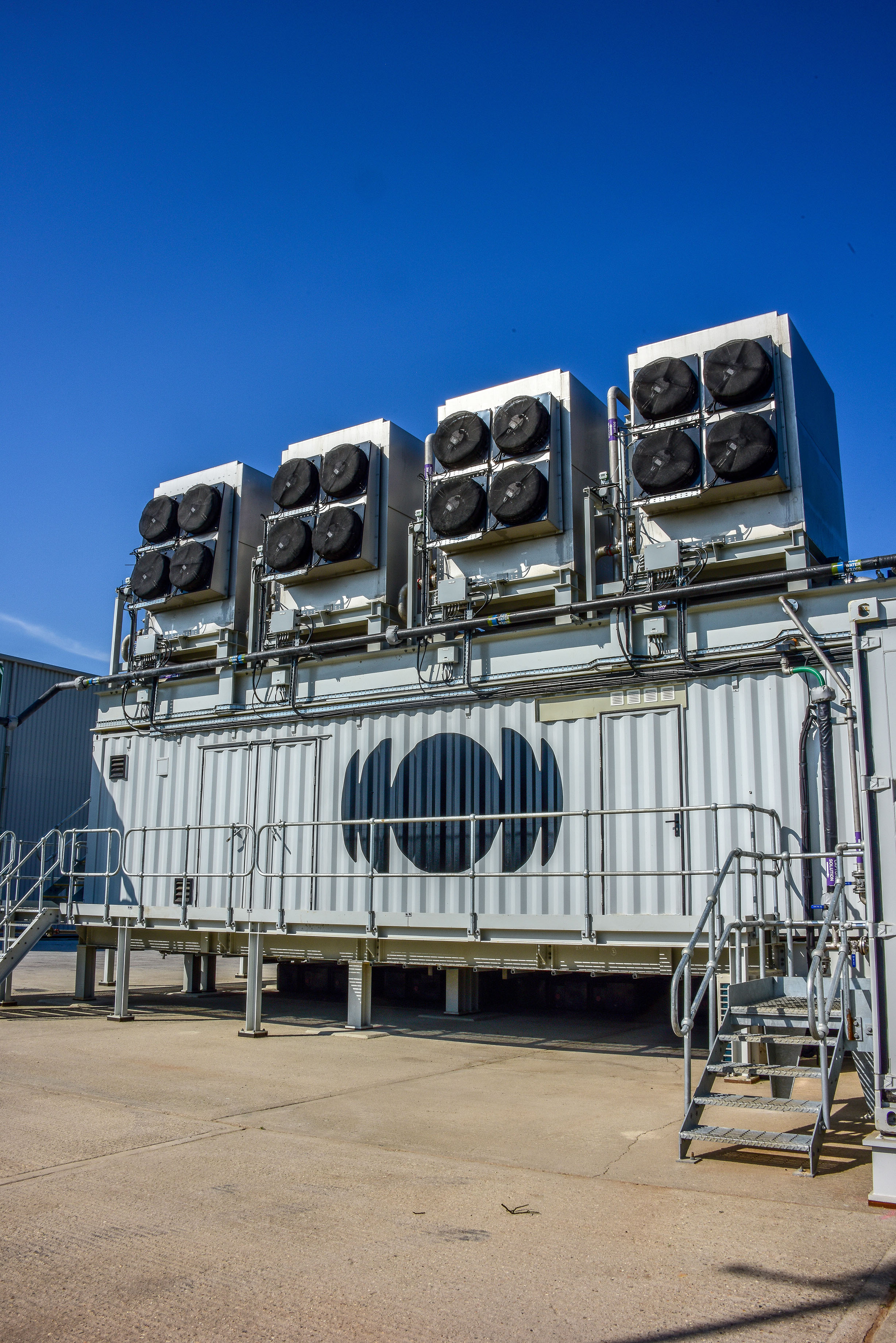
At Mission Zero, we believe quick deployment unlocks affordability. 2025 was an intense year on that front, where we deployed two systems in parallel — one of which representing our first ever international deployment in Canada.
Yet, as a result, today we have the most diverse deployment portfolio of any DAC developer, having successfully integrated our solutions across three different market applications: aviation, building materials, and carbon sequestration.
Putting tech on the ground in different industrial environments is where true innovation happens. By exposing our systems to a variety of site-specific challenges, such as increased particulates in the air, learnings can be cross-pollinated to benefit other systems and strengthen their performance.
Climactic versatility
Our in-the-field experience has enabled a much better understanding of temperature thresholds and effects on our process in different locations. Having operated across a temperature range of 0°C to 35°C, we can now model the benefits of different design modifications to increase uptime in different regions.
Customer centricity
Deploying systems multiple times has enabled us to establish a well-oiled machine for straightforward delivery, installation, commissioning, and handover — even across a seven-hour time difference, in the case of our third deployment. Having worked with multiple technical teams with different working styles and practices, we are able to offer a highly customer-centric approach and seamless working relationships all built on partner confidence that we will deliver on our promises.
Compliance and regulation
We’ve learned more about how to operate our systems in a safe and compliant way across different jurisdictions. This includes expanding our understanding of certification and legal landscapes, and flexing to satisfy local requirements — such as power requirement differences — without adding huge costs or introducing delays.
Quality and risk
There are certain DAC learnings that can only be figured out at scale once you have an operational plant, such as how to minimize air ingress for a pure CO₂ stream. We now have a much greater understanding of our tech’s critical failure points and know how to adapt for them. With multiple examples to draw on, problem solving is faster and more robust across all of our systems.

.JPEG)